IRS Written Information Security Plan (IRS WISP) 2027: A Must-Have for PTIN Holders
Ready to Upgrade to 2027 IRS WISP? Visit Written Information Security Plan (IRS WISP)
Download the newly updated 2027 IRS Written Information Security Plan (WISP) Fillable PDF Template for tax professionals, accounting firms, EFIN holders, and PTIN holders. Simplify IRS compliance, cybersecurity documentation, and taxpayer information protection procedures.
Modern accounting practices routinely process highly sensitive taxpayer information including Social Security numbers, banking records, payroll data, financial statements, tax returns, identity verification documentation, and electronic filing credentials across cloud systems, accounting software platforms, remote work environments, email infrastructures, and tax preparation applications
TodayPayments.com simplifies compliance for tax professionals by offering ready-to-customize, IRS-compliant Written Information Security Plans (IRS WISPs). Designed for PTIN holders, our IRS WISP solutions help you meet IRS Publication 4557 and FTC Safeguards Rule requirements — whether you operate as a solo practitioner or a multi-office tax service provider. We empower you to renew your PTIN with confidence and protect your clients' data from the inside out.
Your IRS WISP Compliance Clock Is Ticking
As the 2027 tax season approaches, tax preparers across the country must act now to stay compliant with IRS and FTC mandates. Whether you’re a solo preparer or part of a large firm, the deadline to implement your 2027 Written Information Security Plan (IRS WISP) is approaching fast. Every PTIN holder is required to maintain an up-to-date IRS WISP to protect sensitive taxpayer data and meet renewal requirements for the coming season. With cyber threats growing and regulatory scrutiny increasing, having a compliant, well-documented IRS WISP isn’t just good practice — it’s a federal requirement.
What Is a Written Information Security Plan (IRS WISP)?
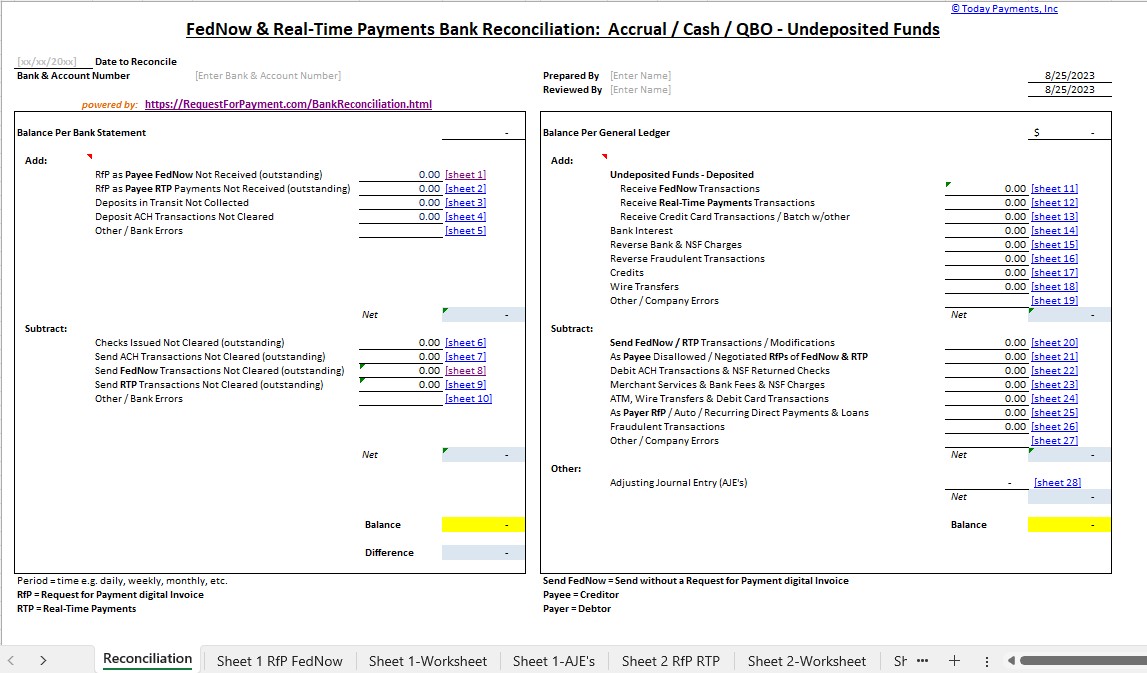
✅ "FREE" Aging Receivables & Real-Time Payments Bank Reconciliation – with all PTIN Holders process with us.

To support merchants and finance teams of all sizes, TodayPayments.com offers free downloadable templates, including:
- Aging Accounts Receivable Worksheet: Pre-built with 15, 30, 60, 90+ day tracking
- Bank Reconciliation Templates: Instantly match payments with deposits across batches
- ISO 20022 File Format Samples: Plug-and-play structures for batch uploads and Request for Payment message testing
A Written Information Security Plan (IRS WISP), also known as a IRSWISP.com (WDSP), is a critical tool for organizations aiming to protect sensitive data, meet compliance standards, and prevent security breaches. For businesses interacting with government agencies like the IRS, FTC, or managing sensitive information regulated by HIPAA, a well-structured IRS WISP ensures both compliance and security.
Top 10 Benefits and Feature-Rich Reasons to Choose Premier IRS WISP 2027
- IRS & FTC Compliant – Built to meet current requirements outlined in IRS Pub 4557 and the FTC Safeguards Rule
- Protects Client Data – Incorporates risk controls for both digital and physical records
- Annual Update Ready – Designed to be updated each year with minimal effort
- Training Included – Includes employee and subcontractor security training framework
- Breach Response Protocol – Custom incident response steps for fast action
- Vendor Compliance Clauses – Ensures third-party providers meet data protection standards
- Supports Recurring PTIN Renewal – Attest to compliance quickly during IRS renewal
- QBO Integration Ready – Built for preparers using QuickBooks® Online in practice
- Downloadable, Editable Format – Use in PDF, Word, or secure cloud environments
- Fast Implementation – Complete your plan in one day using step-by-step guidance
Parameters and Attributes for Businesses Creating a IRS WISP
Key Parameters
- Deadline: December 31, 2027 (or before first 2027 tax return filed in 2027)
- Regulatory Bodies: IRS (Publication 4557) & FTC (Safeguards Rule)
- Requirement Scope: All PTIN Holders — solo and multi-staff firms
- Renewal Dependency: Required to renew PTIN annually
Essential Attributes
- Risk Assessment Documentation
- Safeguards for Physical and Digital Data Handling
- Encryption and Secure Backup Policies
- Multi-Factor Authentication Enforcement
- Service Provider Contract Language
- Security Training Log
- Breach Notification & Mitigation Process
- Alias/Tokenized Client Data Handling Strategy
- Audit Trail Procedures
- Periodic Plan Review and Update Schedule
Ask us How:
Every PTIN holder must implement a 2027 Written Information Security Plan (IRS WISP) before filing any tax returns for the 2027 tax year in 2027. This ensures that your business complies with IRS Pub 4557 and the FTC Safeguards Rule, which mandate the protection of client data through structured security policies.
A properly implemented IRS WISP not only satisfies federal compliance but protects your business from data breaches, identity theft, and the loss of customer trust. Even solo tax preparers are legally required to document how they secure client files, store backups, and respond to breaches.
Your IRS WISP must include risk assessments, encryption standards, secure portals, and employee training — all of which must be documented and ready for audit. The IRS and FTC both emphasize proactive data protection measures, especially as tax fraud threats continue to rise.
Creating a IRS WISP also supports a smoother PTIN renewal process, as the IRS requires you to confirm data security compliance annually during renewal. Without an active IRS WISP, your PTIN renewal could be delayed or denied, limiting your ability to legally prepare taxes.
This guide will walk you through how to create an effective IRS WISP tailored to government regulations while safeguarding your organization against data breaches. (or, purchase ours for only $39)
What Is a Written Information Security Plan (IRS WISP)?
A Written Information Security Plan is a formalized document detailing how your organization manages and secures sensitive information. It ensures compliance with regulations and establishes clear procedures for mitigating risks, addressing breaches, and maintaining data integrity.
Why Do Government Agencies Require a IRS WISP?
- IRS: The IRS mandates secure handling of taxpayer information to prevent identity theft and fraud.
- FTC: The FTC's Safeguards Rule under the Gramm-Leach-Bliley Act (GLBA) requires financial institutions to develop a security plan for customer data.
- HIPAA: Healthcare providers must implement a IRS WISP to comply with the Health Insurance Portability and Accountability Act (HIPAA) and protect patient data.
Benefits of a IRS WISP
- Regulatory Compliance: Avoid fines and penalties by adhering to agency-specific requirements.
- Enhanced Security: Protect against unauthorized access and data breaches.
- Reputation Management: Build trust with clients and stakeholders by demonstrating a commitment to data protection.
Key References and Regulatory Framework
-
IRS Publication 1345: Handbook for
Authorized IRS e-file Providers
Provides requirements and recommendations on safeguarding taxpayer e-file data, including proper authentication, data transmission security, and handling of sensitive information. -
IRS Publication 4557: Safeguarding
Taxpayer Data – A Guide for Your Business
Offers a comprehensive overview of best practices and requirements for protecting taxpayer information, including risk assessments, security controls, and breach response. -
IRS Publications 5708 and
5709 (If
Provided by the IRS Security Summit or Industry Partners)
These resources typically focus on advanced security measures, incident prevention, and updated threat information for tax professionals. While not as widely referenced as 1345 and 4557, they may provide additional checklists, guidance, or technical recommendations to enhance your security posture. -
FTC Safeguards Rule (16 CFR Part 314)
Requires financial institutions—including tax preparers and other entities handling sensitive financial data—to develop, implement, and maintain a comprehensive, written information security program. Aligning your IRS WISP with this rule ensures compliance with the Gramm-Leach-Bliley Act (GLBA).
Steps to Create a Written Data Security Plan (IRS WISP)
1. Conduct a Data Risk Assessment
Start by identifying:
- What sensitive data you collect: Taxpayer records, healthcare information, financial data, etc.
- How it’s stored: Physical files, cloud storage, or third-party systems.
- Who accesses it: Internal employees, contractors, or external vendors.
Action Step: Use tools like data mapping software or data risk assessment templates to catalog sensitive data and assess vulnerabilities.
2. Identify Relevant Laws and Compliance Requirements
Each government agency has unique regulations.
Your IRS WISP must align with these standards:
IRS Compliance
- Follow IRS Publication 4557 guidelines to safeguard taxpayer data.
- Use encryption and secure storage for tax records.
- Ensure that all devices accessing IRS data meet security standards.
FTC Safeguards Rule (GLBA)
- Create a comprehensive data security program.
- Regularly monitor and test your safeguards to adapt to emerging threats.
- Comply with HIPAA’s Privacy and Security Rules to protect electronic Protected Health Information (ePHI).
- Implement physical, administrative, and technical safeguards.
Pro Tip: Consult agency-specific resources or legal experts to ensure compliance with evolving regulations.
3. Develop Security Policies and Procedures
A strong IRS WISP should define:
- Data Access Controls: Implement role-based access to restrict sensitive information to authorized users only.
- Encryption Standards: Encrypt data during transmission and storage.
- Incident Response Plans: Prepare a step-by-step protocol for detecting, reporting, and addressing breaches.
4. Train Your Team on Security Best Practices
Even with robust policies in place, human error remains a major risk. Provide ongoing training to employees on:
- Recognizing phishing scams.
- Handling sensitive data securely.
- Following password management best practices.
Action Step: Conduct quarterly security training sessions and mock security drills.
5. Perform Regular Audits and Updates
Regulations and cybersecurity threats evolve rapidly. Periodically review your IRS WISP to:
- Address new compliance requirements.
- Identify gaps in current security measures.
- Integrate the latest cybersecurity technologies.
Pro Tip: Schedule annual reviews or align updates with major compliance deadlines.
Key Roles in Implementing a IRS WISP
-
Data Security Coordinator (DSC)
The DSC oversees the development, implementation, and maintenance of the IRS WISP. This includes conducting regular risk assessments, ensuring compliance with data security standards, and coordinating employee training to address potential vulnerabilities. -
Public Information Officer (PIO)
The PIO handles communication about the organization's data security policies, both internally and externally. This role ensures transparency with clients regarding how their sensitive information is protected and addresses any inquiries or incidents involving data breaches. - Personally Identifiable Information
(PII)
The IRS WISP must identify and secure all PII handled by the organization, including sensitive client data managed by PTIN holders, Tax Preparers, and EROs. PII includes Social Security Numbers, financial details, addresses, and other private information critical to tax preparation.
Tools and Resources for IRS WISP Development
- Cybersecurity Frameworks: Use frameworks like NIST CSF or ISO 27001 as blueprints for your security plan.
- Agency Resources:
- IRS: Publication 4557 and IRS e-Services.
- FTC: Guidance on Safeguards Rule.
- HIPAA: HHS Cybersecurity Guidance.
Common IRS WISP Mistakes to Avoid
- Overlooking Vendor Security: Ensure third-party partners handling your data also comply with IRS, FTC, or HIPAA standards.
- Failing to Update Plans: Outdated IRS WISPs can lead to vulnerabilities and non-compliance.
- Ignoring Physical Security: Protect workstations, filing systems, and access points.
Checklist for IRS WISP Compliance with Government Agencies
Here’s a quick checklist to ensure your IRS WISP meets key agency requirements:
|
Requirement |
IRS |
FTC |
HIPAA |
|
Encryption Standards |
✅ |
✅ |
✅ |
|
Access Control Policies |
✅ |
✅ |
✅ |
|
Breach Notification Plan |
✅ |
✅ |
✅ |
|
Employee Training |
✅ |
✅ |
✅ |
|
Regular Audits |
✅ |
✅ |
✅ |
Final Thoughts: Start Securing Your Business Today
Creating a Written Information Security Plan (IRS WISP) is essential for protecting sensitive data, complying with government regulations, and preventing costly security breaches. Whether you're managing taxpayer information for the IRS, safeguarding financial records under the FTC's Safeguards Rule, or ensuring patient confidentiality under HIPAA, a comprehensive IRS WISP positions your organization for long-term success.
Don't wait until January to scramble through compliance documents. Start your IRS WISP today with help from the team at TodayPayments. We make it easy for PTIN holders and tax pros of all sizes to launch an IRS- and FTC-compliant security plan — so you’re fully protected and ready to file from day one.
~ Ready-to-use templates
~ Downloadable
formats
~ Secure hosting and compliance
~ IRS-compliant by
December 31, 2027
Create your 2027 Written Information Security Plan now and stay audit-proof all season.
Ready to get started? Begin drafting your IRS WISP today and fortify your business against future risks.
Contact Us for Written Information Security Plan payment processing