Your Premier Solution for the IRS 2027 WISP
Ready to Upgrade to 2027 IRS WISP? Visit IRS Written Information Security Plan (WISP)
As a PTIN Holder (Preparer Tax Identification Number holder), you should create or update your IRS Written Information Security Plan (WISP) annually.
Download the newly updated 2027 IRS Pub 5708 Fillable PDF Template to update your PTIN renewal application. Designed for tax professionals, accounting firms, EFIN holders, and PTIN holders to simplify cybersecurity compliance and IRS WISP documentation.
PTIN holders and EFIN holders routinely process highly sensitive taxpayer information including Social Security numbers, banking records, payroll data, financial statements, tax returns, identity verification documentation, and electronic filing credentials through accounting software platforms, cloud systems, remote work environments, email infrastructures, and tax preparation applications.
For firms seeking compliance without chaos, we deliver a premier, Pub-5708–aligned WISP program tailored to your tools, team, and risk profile. Unlike static templates, our living framework is operational, measurable, and easy for staff to adopt—so your IRS 2027 WISP supports both protection and growth.
We Turn Compliance Into a Competitive Edge
2027 Tax Return Season year of 2027 tax returns • Update Renewal PTIN application with IRS Written Information Security Plan (WISP) • New Updated IRS Pub 5708 Fillable Form • IRS 2027 WISP
We enter the 2027 filing season—based on 2027 returns—with a clear promise to our clients and our team: we protect sensitive data with discipline, clarity, and proof. We built our Written Information Security Plan (WISP) to match how we work every day, so the evidence of good security practices is always at hand. When requirements rise, our documentation and routines rise with them.
We align our WISP to the new updated IRS Pub 5708 fillable form, ensuring each safeguard—administrative, technical, and physical—maps to an owner, a cadence, and a record of completion. That structure reduces confusion, shortens renewal time, and keeps our plan genuinely usable, not just “on paper.”
We replaced copy-paste language with concise, firm-specific controls. Access reviews, backup-restore testing, vendor oversight, and incident drills live on a calendar, not just in a binder. Our approach makes audit readiness a byproduct of daily habits.
As we update the Renewal PTIN application for the 2027 season, we do it with a living, auditable WISP that staff can run without friction. That’s how we protect client trust, streamline operations, and step into peak season with confidence.
IRS 2027 WISP Compliance: Create Your Written Information Security Plan Today for All PTIN Holders
Ready for Tax Season? Visit 2027 IRS WISP
Don't File Taxes Without a 2027-Compliant WISP.
To empower every U.S. tax professional to secure client data, meet IRS W-12 PTIN requirements, and build a resilient tax practice using accessible, affordable, and fully compliant WISP documentation.
Line 11 on the IRS W-12 Form requires you to check a box confirming that you understand and comply with these legal requirements. That means a WISP isn’t optional—it’s mandatory for CPAs, Enrolled Agents, Bookkeepers, and all tax professionals engaged in preparing returns for compensation. Without a current, documented IRS WISP in place, you risk rejection, delays, audits, and possible FTC penalties.


By following this detailed guide, you can complete IRS Form W-12 with confidence and ensure your PTIN is processed accurately and on time. Let me know if you need additional information or assistance!
Step-by-Step Guide to Completing a WISP for IRS Form W-12 Line 11
- Conduct a Risk Assessment: Identify vulnerabilities in physical, digital, and personnel systems.
- Define Security Policies: Establish clear protocols for data access, transmission, and storage.
- Implement Safeguards: Adopt technologies like encryption and multi-factor authentication.
- Train Employees: Educate staff on recognizing threats and adhering to security practices.
- Develop an Incident Response Plan: Create a clear strategy for managing data breaches.
- Monitor and Update: Regularly review and update the WISP to address emerging threats.
Renew Faster. Prove More. Risk Less.
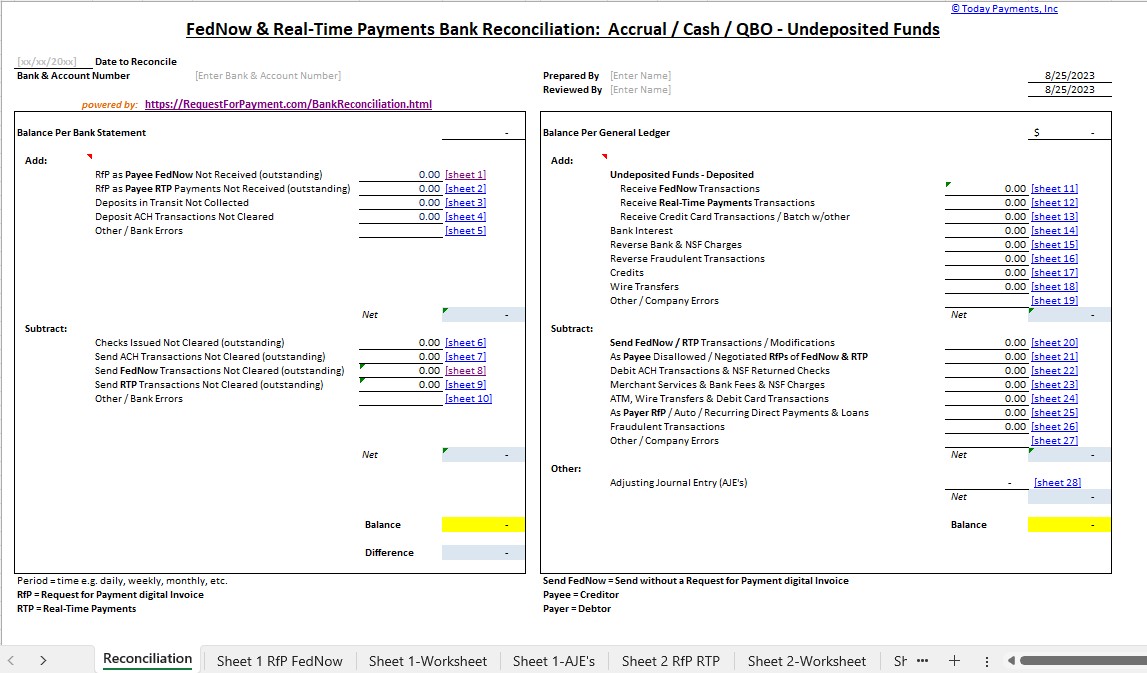
✅ "FREE" Aging Receivables & Real-Time Payments Bank Reconciliation – with all 2027 WISP clients process with us.

To support merchants and finance teams of all sizes, TodayPayments.com offers free downloadable templates, including:
- Aging Accounts Receivable Worksheet: Pre-built with 15, 30, 60, 90+ day tracking
- Bank Reconciliation Templates: Instantly match payments with deposits across batches
- ISO 20022 File Format Samples: Plug-and-play structures for batch uploads and Request for Payment message testing
 Empowering Accounting Professionals
We deliver a dynamic, fillable WISP framework aligned to Pub 5708, so you finalize in hours—not weeks. No generic boilerplate, no last-minute scramble—just a practical plan, complete artifacts, and clear responsibilities your team can follow. Secure your 2027 PTIN renewal with a WISP that actually fits your firm and demonstrates the controls you already run.
Ask us How:
1) 2027 PTIN renewal with a WISP aligned
to the new updated IRS Pub 5708 fillable form
We mirror the
fillable structure, assign owners to every safeguard, and attach
proof (logs, attestations, and test results). This makes renewal
fast and predictable while keeping evidence one click away.
2) 2027 Tax Return Season (2027 returns):
how we schedule WISP tasks on a filing calendar
We tie
security reviews, phishing drills, patch cycles, and restore tests
to pre-season prep, peak weeks, and archival. Calendar-driven
security keeps our plan current and our documentation clean.
3) Best way to update the Renewal PTIN
application with an IRS WISP that’s audit-ready
We convert
requirements into daily checklists—access reviews, vendor
confirmations, encryption checks, and backup validations—so we
answer examiner questions with artifacts, not promises.
4) Small-firm strategy: meet IRS/FTC
expectations without bloating workload
We right-size MFA,
email safeguards, backups, and retention to the firm’s risk
surface. The result is sustainable compliance your staff can run
all year without productivity loss.
5) Keeping an FY2027-based WISP fresh as
staff and systems change
Versioning, sign-offs, and change
logs capture adjustments as the practice evolves. Ownership and
SLAs keep improvements on schedule, preserving a clean audit
trail.
6) From template to practice: why our
Pub-5708 framework outperforms copy-paste
We replace vague
text with precise workflows, forms, and evidence packs. That
specificity boosts adoption, reduces errors, and shortens the path
from “policy written” to “control proven.”
Top 10 Benefits / Features-Rich Reasons to Choose Our Premier WISP
1) Direct Renewal Readiness
We
pre-map policies and artifacts to PTIN renewal questions.
Documentation stays organized for quick responses. Renewal anxiety
becomes renewal confidence.
2) Pub 5708–Aligned & Fully Editable
Our framework mirrors the new fillable form while staying dynamic
and firm-specific. What’s written matches what you operate.
Reviewers see clarity; your team sees practicality.
3) Operational Clarity for Staff
We
translate rules into step-by-step workflows across intake, prep,
e-file, storage, and archival. Checklists cut errors and rework.
Security becomes part of client service.
4) Proactive Risk Management
We
identify people, process, technology, and vendor risks with owners
and due dates. Mitigations are measurable and tracked. Gaps close
faster—and stay closed.
5) Evidence at Your Fingertips
Training logs, access reviews, backup tests, and tabletop notes
live in one repository with versioning. Audits move faster when
the paper trail is crisp. You demonstrate reasonable security with
tangible proof.
6) Incident Readiness That Minimizes
Downtime
We publish triage, containment, notification, and
recovery playbooks. Roles are pre-assigned and rehearsed. Response
time drops and reputational impact shrinks.
7) Vendor Accountability Built In
We standardize diligence, contract clauses, and periodic reviews
for service providers. Supply-chain risk stops being a blind spot.
Third parties must meet your bar to handle client data.
8) Right-Sized Controls for Any Firm
Solo preparer or multi-office practice, we scale safeguards
without bloat. You keep only what adds value. Efficiency and
coverage rise together.
9) Evergreen Maintenance & Alerts
Monitoring, testing, and annual reviews are scheduled and tracked.
Updates take minutes, not days. Your WISP improves each cycle as
the firm matures.
10) Sustainable Cost & Time Savings
Avoid open-ended consulting bills while gaining expert structure.
Value shows up in saved hours, smoother audits, and fewer
incidents. Security becomes a growth asset—not a tax on
productivity.
Itemized Parameters & Attributes for an IRS-Compliant WISP (Built for the 2027 Season, 2027 Tax Year)
- Designated Qualified Individual
(Security Coordinator)
Attributes: name/title/contact; authority to enforce controls; alternate; escalation path to leadership. - Risk Assessment & Register
Attributes: asset inventory and data flows; threat/vulnerability analysis; likelihood/impact scoring; owners, due dates, remediation tracking. - Administrative Safeguards
Attributes: written policies; roles/responsibilities; disciplinary measures; onboarding/offboarding; records retention; change-control tied to calendar milestones. - Technical Safeguards
Attributes: least-privilege access with periodic reviews; MFA; encryption in transit/at rest; patch cadence; secure backups with restore testing; centralized logging; email and endpoint security. - Physical Safeguards
Attributes: controlled access to offices and storage; device hardening; visitor logs; clean-desk standards; secure destruction of paper/media. - Access Control & User Lifecycle
Attributes: provisioning/change/termination; privileged-access monitoring; segregation of duties; remote-work/VPN/device standards. - Employee Training & Awareness
Attributes: initial and annual training; phishing simulations; signed acknowledgments; role-based modules for staff and contractors. - Vendor & Service-Provider Management
Attributes: due-diligence questionnaires; minimum-security clauses; breach-notification windows; audit rights; periodic reviews and attestations. - Monitoring, Testing & Metrics
Attributes: log-review cadence; vulnerability checks; backup/restore drills; KPIs (time-to-detect/contain); corrective-action tracking. - Incident Response Plan (IRP)
Attributes: roles and contacts; triage/containment; evidence handling; client/regulator notification templates; recovery steps; lessons-learned updates. - Data Classification & Handling
Attributes: categories (PII, tax, payment); storage/transfer rules; removable-media policy; data-minimization standards. - Data Retention & Disposal
Attributes: schedules by record type; secure deletion/sanitization; certificates of destruction; litigation hold procedures. - Business Continuity & Disaster
Recovery
Attributes: RTO/RPO targets; alternate-work arrangements; restoration runbooks; DR testing cadence and evidence. - Program Adjustments (Evergreen
Maintenance)
Attributes: annual review calendar; event-driven updates (staff, systems, vendors); version control; change log with sign-offs. - Documentation & Accessibility
Attributes: central repository; role-based access; audit trail of edits; read-receipts for policy acknowledgments; Pub-5708–aligned evidence pack.
2027 Written Information Security Plan (WISP), also known as a IRS Written Data Security Plan (WDSP), is a critical tool for organizations aiming to protect sensitive data, meet compliance standards, and prevent security breaches. For businesses interacting with government agencies like the IRS, FTC, or managing sensitive information regulated by HIPAA, a well-structured WISP ensures both compliance and security.
This guide will walk you through how to create an effective 2027 WISP tailored to government regulations while safeguarding your organization against data breaches. (or, purchase ours for only $39)
What Is a Written Information Security Plan (WISP)?
A Written Information Security Plan is a formalized document detailing how your organization manages and secures sensitive information. It ensures compliance with regulations and establishes clear procedures for mitigating risks, addressing breaches, and maintaining data integrity.
Why Do Government Agencies Require a WISP?
- IRS: The IRS mandates secure handling of taxpayer information to prevent identity theft and fraud.
- FTC: The FTC's Safeguards Rule under the Gramm-Leach-Bliley Act (GLBA) requires financial institutions to develop a security plan for customer data.
- HIPAA: Healthcare providers must implement a WISP to comply with the Health Insurance Portability and Accountability Act (HIPAA) and protect patient data.
Key References and Regulatory Framework
-
IRS Publication 1345: Handbook for
Authorized IRS e-file Providers
Provides requirements and recommendations on safeguarding taxpayer e-file data, including proper authentication, data transmission security, and handling of sensitive information. -
IRS Publication 4557: Safeguarding
Taxpayer Data – A Guide for Your Business
Offers a comprehensive overview of best practices and requirements for protecting taxpayer information, including risk assessments, security controls, and breach response. -
IRS Publications 5708 and
5709 (If
Provided by the IRS Security Summit or Industry Partners)
These resources typically focus on advanced security measures, incident prevention, and updated threat information for tax professionals. While not as widely referenced as 1345 and 4557, they may provide additional checklists, guidance, or technical recommendations to enhance your security posture. -
FTC Safeguards Rule (16 CFR Part 314)
Requires financial institutions—including tax preparers and other entities handling sensitive financial data—to develop, implement, and maintain a comprehensive, written information security program. Aligning your WISP with this rule ensures compliance with the Gramm-Leach-Bliley Act (GLBA). -
IRS Publication 5293: Protect Your
Clients; Protect Yourself
Focusing on cyber threats, this publication emphasizes the importance of implementing strong security measures to protect client data. It aligns with the WISP’s objective of mitigating risks through proactive data security strategies.
Benefits of a WISP
- Regulatory Compliance: Avoid fines and penalties by adhering to agency-specific requirements.
- Enhanced Security: Protect against unauthorized access and data breaches.
- Reputation Management: Build trust with clients and stakeholders by demonstrating a commitment to data protection.
Steps to Create a IRS Written Data Security Plan (WISP)
1. Conduct a Data Risk Assessment
Start by identifying:
- What sensitive data you collect: Taxpayer records, healthcare information, financial data, etc.
- How it’s stored: Physical files, cloud storage, or third-party systems.
- Who accesses it: Internal employees, contractors, or external vendors.
Action Step: Use tools like data mapping software or data risk assessment templates to catalog sensitive data and assess vulnerabilities.
2. Identify Relevant Laws and Compliance Requirements
Each government agency has unique regulations.
Your WISP must align with these standards:
IRS Compliance
- Follow IRS Publication 4557 guidelines to safeguard taxpayer data.
- Use encryption and secure storage for tax records.
- Ensure that all devices accessing IRS data meet security standards.
- Create a comprehensive data security program.
- Regularly monitor and test your safeguards to adapt to emerging threats.
- Comply with HIPAA’s Privacy and Security Rules to protect electronic Protected Health Information (ePHI).
- Implement physical, administrative, and technical safeguards.
Pro Tip: Consult agency-specific resources or legal experts to ensure compliance with evolving regulations.
Federal and IRS guidelines on records retention dictate secure storage and proper disposal of client records. A WISP must include policies for managing records to avoid unauthorized access or breaches.
3. Develop Security Policies and Procedures
A strong IRS WISP should define:
- Data Access Controls: Implement role-based access to restrict sensitive information to authorized users only.
- Encryption Standards: Encrypt data during transmission and storage.
- Incident Response Plans: Prepare a step-by-step protocol for detecting, reporting, and addressing breaches.
4. Train Your Team on Security Best Practices
Even with robust policies in place, human error remains a major risk. Provide ongoing training to employees on:
- Recognizing phishing scams.
- Handling sensitive data securely.
- Following password management best practices.
Action Step: Conduct quarterly security training sessions and mock security drills.
5. Perform Regular Audits and Updates
Regulations and cybersecurity threats evolve rapidly. Periodically review your IRS WISP to:
- Address new compliance requirements.
- Identify gaps in current security measures.
- Integrate the latest cybersecurity technologies.
Pro Tip: Schedule annual reviews or align updates with major compliance deadlines.
Key Roles in Implementing a WISP
-
Data Security Coordinator (DSC)
The DSC oversees the development, implementation, and maintenance of the WISP. This includes conducting regular risk assessments, ensuring compliance with data security standards, and coordinating employee training to address potential vulnerabilities. -
Public Information Officer (PIO)
The PIO handles communication about the organization's data security policies, both internally and externally. This role ensures transparency with clients regarding how their sensitive information is protected and addresses any inquiries or incidents involving data breaches. - Personally Identifiable Information
(PII)
The WISP must identify and secure all PII handled by the organization, including sensitive client data managed by PTIN holders, Tax Preparers, and EROs. PII includes Social Security Numbers, financial details, addresses, and other private information critical to tax preparation.
Tools and Resources for WISP Development
- Cybersecurity Frameworks: Use frameworks like NIST CSF or ISO 27001 as blueprints for your security plan.
- Agency Resources:
- IRS: Publication 4557 and IRS e-Services.
- FTC: Guidance on Safeguards Rule.
- HIPAA: HHS Cybersecurity Guidance.
Common WISP Mistakes to Avoid
- Overlooking Vendor Security: Ensure third-party partners handling your data also comply with IRS, FTC, or HIPAA standards.
- Failing to Update Plans: Outdated WISPs can lead to vulnerabilities and non-compliance.
- Ignoring Physical Security: Protect workstations, filing systems, and access points.
Checklist for WISP Compliance with Government Agencies
Here’s a quick checklist to ensure your WISP meets key agency requirements:
|
Requirement |
IRS |
FTC |
HIPAA |
|
Encryption Standards |
✅ |
✅ |
✅ |
|
Access Control Policies |
✅ |
✅ |
✅ |
|
Breach Notification Plan |
✅ |
✅ |
✅ |
|
Employee Training |
✅ |
✅ |
✅ |
|
Regular Audits |
✅ |
✅ |
✅ |
Final Thoughts: Start Securing Your Business Today
Creating a Written Information Security Plan (WISP) is essential for protecting sensitive data, complying with government regulations, and preventing costly security breaches. Whether you're managing taxpayer information for the IRS, safeguarding financial records under the FTC's Safeguards Rule, or ensuring patient confidentiality under HIPAA, a comprehensive WISP positions your organization for long-term success.
Premier IRS 2027 WISP for Your PTIN Renewal
Master your 2027 renewal with a WISP that mirrors the new updated IRS Pub 5708 fillable form and proves what your team actually does—every day. Secure clients, simplify audits, and enter peak season ready to serve.
Ready to get started? Begin drafting your WISP today and fortify your business against future risks.
Contact Us for Written Information Security Plan payment processing